


Why Some Android Phones Still Lag Behind Apple’s iPhone Performance
The competition between Android smartphones and Apple iPhones has always been intense. Every year, both sides introduce new technologies, faster processors, and improved camera systems. However, many users and industry analysts still believe that Apple maintains an advantage in overall smartphone performance and user experience.
While Android phones have improved significantly in recent years, Apple continues to dominate areas such as chipset efficiency, software optimization, long-term updates, and ecosystem integration.
In this article, we’ll look at some of the major reasons why many Android phones still struggle to match Apple’s performance consistency.
Apple’s Strong Control Over Hardware and Software
One of Apple’s biggest advantages is complete control over both hardware and software.
Apple designs:
- its own A-series chipsets
- iOS operating system
- device optimization
- power management system
Because everything is built together, Apple can optimize the iPhone much more efficiently than many Android manufacturers.
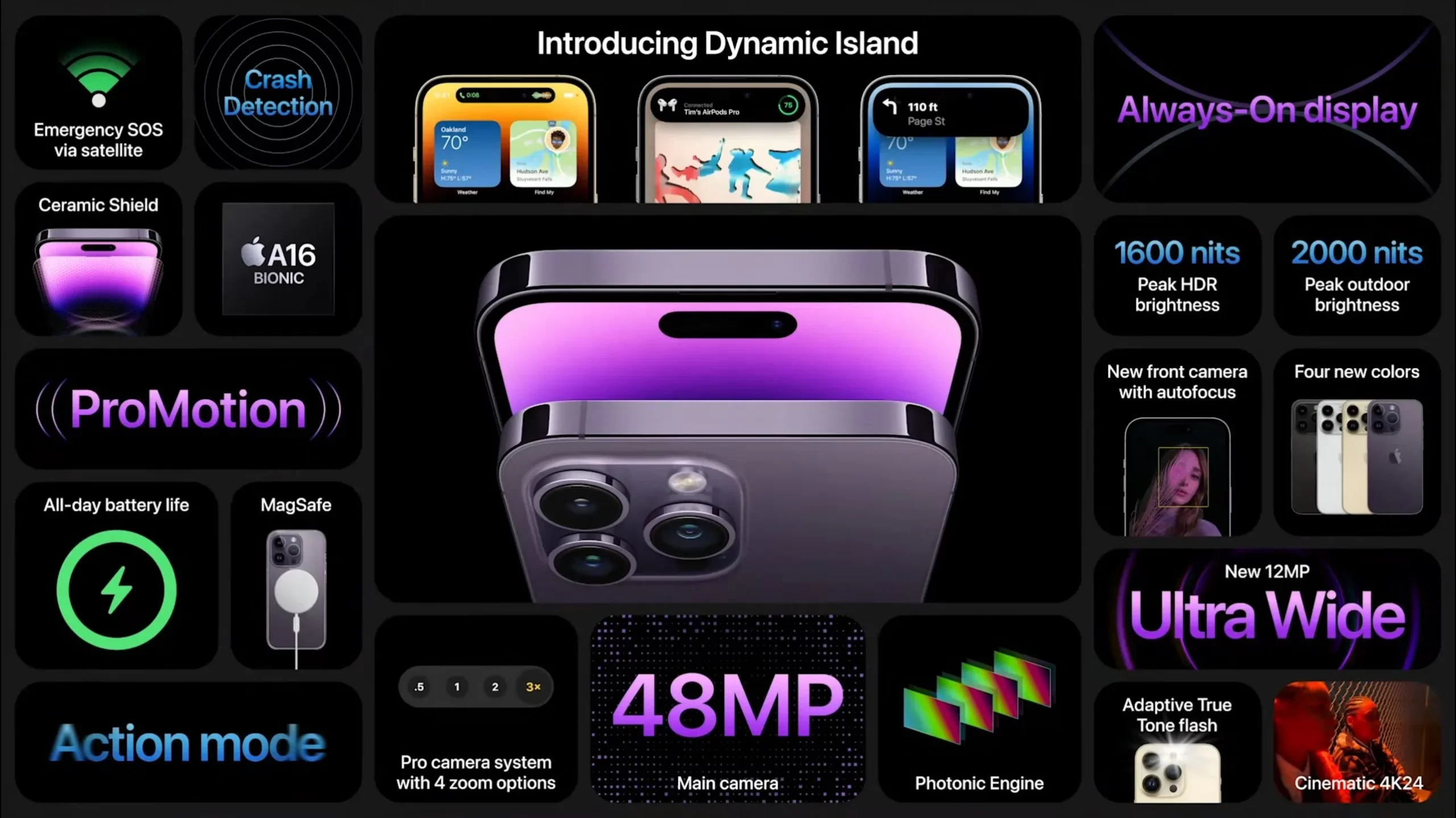
For example, the Apple iPhone 14 Pro and later iPhone models use Apple’s custom A-series processors that are specifically designed for iOS. This allows Apple to deliver:
- smoother performance
- better battery efficiency
- faster app optimization
- longer software support
Many Android smartphone brands, on the other hand, rely on third-party chip manufacturers such as Qualcomm or MediaTek while also using customized versions of Android.
Apple’s A-Series Chips Continue to Lead
Apple’s processors have consistently performed extremely well in benchmark tests and real-world performance.
The A17 Bionic chipset, built using advanced manufacturing technology from TSMC, introduced major improvements in:
- power efficiency
- gaming performance
- AI processing
- thermal management
Apple also tends to gain early access to newer chip manufacturing processes, helping the company stay ahead in raw performance and energy efficiency.
Meanwhile, Android flagship devices using processors like the Qualcomm Snapdragon 8 Gen 2 still compete strongly, but optimization can vary depending on the phone manufacturer.
Software Optimization Makes a Big Difference
Performance is not just about powerful hardware.
Apple focuses heavily on optimizing a single operating system across a limited number of devices. This allows developers and engineers to fine-tune performance much more effectively.
Android manufacturers face a more difficult challenge because there are:
- hundreds of Android phone models
- different chipsets
- different display configurations
- customized Android skins
As a result, software consistency can sometimes vary from one Android device to another.
Longer Software Support Gives Apple an Advantage
Another reason many users prefer iPhones is software longevity.
Apple often provides iOS updates for:
- 5 to 7 years
Some Android brands have improved update support recently, but many devices still receive:
- fewer updates
- shorter support periods
- delayed software releases
Long-term updates help iPhones maintain:
- security
- performance stability
- app compatibility
- resale value
The Apple Ecosystem Is Highly Optimized
Apple devices are designed to work together smoothly.
Features such as:
- AirDrop
- iMessage
- FaceTime
- iCloud
- Handoff
- Universal Clipboard
create a seamless ecosystem experience between:
- iPhones
- iPads
- MacBooks
- Apple Watches
This integration is one of the reasons many users stay within the Apple ecosystem.
Android brands offer similar features, but the experience is often less unified across different manufacturers.
Android Phones Still Offer Major Advantages
Despite Apple’s strengths, Android smartphones still dominate in several important areas.
Many Android devices offer:
- faster charging speeds
- more customization
- larger batteries
- foldable designs
- gaming-focused hardware
- wider price options
Brands like Samsung Electronics, OnePlus, and Google continue pushing innovation in the Android market.
For many users, Android remains the better choice because of flexibility and variety.
Is Android Really “Behind” Apple?
Not entirely.
The gap between Android flagship phones and iPhones has become much smaller in recent years. High-end Android devices now compete strongly in:
- camera quality
- gaming performance
- display technology
- AI features
However, Apple still maintains an advantage in:
- software optimization
- chipset efficiency
- ecosystem integration
- long-term support
The “best” smartphone ultimately depends on personal preference and how you use your device daily.
Final Thoughts
Apple’s advantage does not come from hardware alone. The company succeeds because it controls the full user experience — from processors and software to services and ecosystem integration.
Android phones continue to improve rapidly and offer excellent value, innovation, and customization. However, Apple’s tight optimization strategy still helps iPhones deliver one of the smoothest smartphone experiences available today.
For users who value flexibility and customization, Android remains a strong option. But for users focused on long-term performance consistency and ecosystem integration, Apple continues to hold a strong lead in the premium smartphone market.
